
Chemical Peel vs Laser Treatment: Which One Truly Works Better
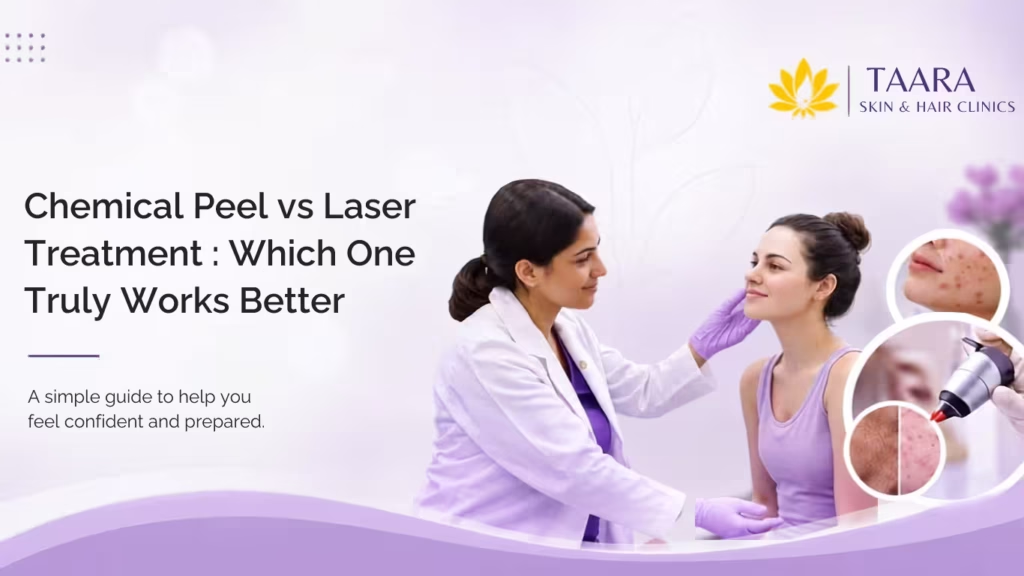
A clear, healthy, glowing, natural skin is what each and every one of us wishes. But pollution, sunrays, acne, stress and aging cause it to lack natural lust and vitality. Henceforth, many are looking toward dermatology procedures and skin care instead of just merely using products. Currently the two most popular treatments offered by dermatology clinics are chemical peels and laser treatment. These skin treatments help to improve skin’s texture, reduce skin’s pigmentation and rejuvenate skin. But many still face the issue of picking and choosing between these two methods. Some are attracted to chemical peels due to its simplicity and affordability. Others are tempted by lasers as they promise to correct and rejuvenate skin deeper and effectively with long-lasting effects. But still the correct answer is your skin type, concern, lifestyle and requirements. If you are looking online for chemical peel vs laser treatment this blog explains both options in the easiest and most realistic way possible. From their advantages, drawbacks, suitability to the recovery time and effectiveness. Understanding Chemical Peels A chemical peel is a dermatological procedure that removes damaged outer skin layers using specially prepared exfoliating solutions. Once the dead skin cells shed naturally, fresher and healthier skin becomes visible. Dermatologists often recommend chemical peels for: Mild acne scars Uneven skin tone Suntan Pigmentation Dull skin Fine lines Chemical peels are mainly effective on the superficial layers of the skin and are therefore often selected by clients looking for brightening effects without extended recuperation times. How Chemical Peels Improve the Skin The chemicals are applied directly to the face during treatment by a dermatologist. The procedure removes superficial layers of skin and promotes cell generation. As old cells peel away, the skin gradually becomes: Smoother Brighter Softer More even toned They also promote light collagen production that evens out texture with time. Types of chemical peels Chemical peels are often categorized into three groups according to the depth to which they penetrate the skin: Superficial peels Light peels which slough off only the top layer of skin. They are best suited for those beginning peels or with minor dullness of the skin. Best for: Instant glow Mild pigmentation Uneven texture Oily skin Recovery is generally rapid with few restrictions on returning to normal activities straight away. Medium Peels Medium-depth peels have a greater effect and reach more deeply in the skin. Best for: Acne marks Moderate pigmentation Early aging signs Rough skin texture These peels may cause visible peeling for a few days. Deep Peels A deep peel will work at the deeper layers of the skin and give you skin resurfacing at an intense level. Best for: Deep wrinkles Severe pigmentation Advanced skin damage These being stronger, the recovery time will be longer and require rigid aftercare. Advantages of Chemical Peels Chemical peels remain an incredibly popular choice since they provide results without invasive methods. The advantages of chemical peels are: Brighter complexion Improved skin texture Reduced acne marks Better skin tone Fresher appearance Mild anti-aging effects Reduced tanning Chemical peels are also usually quite affordable, again compared to the newer forms of cosmetic treatments. What is laser skin treatment Laser treatment is a high-tech method for skin care that utilizes intense light rays to destroy any diseased cells and cells on skin surfaces. Laser treatments can penetrate the dermis and stimulate higher collagen production when compared to chemical peels. The depth the laser can reach makes this the perfect choice for more severe skin issues. Dermatologists commonly recommend laser procedures for: Deep acne scars Wrinkles Open pores Stubborn pigmentation Skin tightening Uneven texture How Laser Treatments Work The laser systems transmit concentrated light energy onto a target region on your skin. Depending on the type of laser that is being used, the damaged layers of skin can either be removed, or the layers of skin under the surface stimulated to produce collagen. This controlled skin repair process improves: Skin firmness Texture Elasticity Overall tone The skin appears younger and smoother with the increase of collagen production. Common Types of Laser Treatments There are lasers that treat different skin issues. Ablative Lasers These lasers strip away the damaged upper layers of the skin and give drastic resurfacing results. Commonly Used for: Deep scars Wrinkles Severe skin texture issues Because they are intensive, healing time is usually longer. Non-Ablative Lasers These lasers work beneath the skin without removing surface layers. Ideal for: Mild wrinkles Early aging signs Collagen stimulation Recovery is usually faster compared to ablative lasers. Fractional Lasers These treat small parts of the skin and leave adjacent areas of skin intact. Best for: Acne scars Pigmentation Fine lines Skin resurfacing They offer effective results with comparatively shorter downtime. Benefits of Laser Treatments Laser procedures provide deeper skin correction and advanced rejuvenation. Major Benefits Include: Improved acne scars Reduction in wrinkles Better skin firmness Smoother texture Reduction in stubborn pigmentation Enhanced collagen production Youthful skin appearance Also, most laser treatments are not just working during treatment but improving skin for many weeks after it. Chemical Peel vs Laser Treatment: Major Differences Now, when you can actually pinpoint the difference between the two procedures it’s much easier to compare them. Both are aimed at improving your complexion, but they treat at completely different depths and by different processes, have different downtime periods and therefore, produce quite different effects. Difference in Treatment Depth Chemical Peels Chemical peels mainly target the upper skin layers. Therefore, they are effective for surface-level concerns. Laser Treatments Lasers reach deeper into the skin and work below the surface in areas of structural damage. As a result, laser procedures usually provide stronger correction for advanced skin problems. Recovery Time Comparison Downtime is one of the biggest deciding factors for patients. Recovery After Chemical Peels Mild redness Light peeling Temporary dryness Most people recover within a few days. Recovery After Laser Treatment Redness Swelling Sensitivity Temporary skin irritation Some laser treatments can take a little while to recover due to the intensity. Which Treatment
Skin Brightening Treatment in Hyderabad: Safe Ways to Get Clear and Glowing Skin

Healthy, glowing skin helps people feel kind of fresh and confident. Yet somehow, right now a lot of people are still facing dullness, tanning, dark spots, uneven skin tone, and pigmentation. It feels like everywhere, the skin is not really “listening”, doesn’t it? People in Hyderabad especially seem to deal with this more these days because of pollution, ongoing stress, harsh sunlight, unhealthy food, and not enough sleep. So, skin problems are becoming super common, more often than before. That’s why more folks are now searching for a safe, professional skin brightening treatment in Hyderabad, not just some random thing. They’re looking for a skin supporting routine that helps pull out natural radiance, and not that kind of product that irritates the skin or ends up triggering reactions. Something gentle but still actually effective you know? At the same time there’s a lot of confusion running around too. Some people grab random creams from the internet and just cross their fingers it works. Others stay stuck on home remedies for months, telling themselves it will handle everything, but in reality, nothing changes in a real way. Honestly, these approaches often waste time, and sometimes they even make the skin situation worse. So, it makes sense that dermatologist-approved skin brightening treatments are gaining interest. The idea is pretty simple: improve overall skin health, lessen that lifeless dull appearance, and make the face look brighter, cleaner, and healthier without turning the process into a huge hassle. In this blog, you will learn: What skin brightening treatment means Why skin becomes dull Best treatments available in Hyderabad Treatment benefits and safety Cost and recovery Tips for long-lasting glowing skin Let us understand everything step by step. Why Skin Problems Are Increasing in Hyderabad Hyderabad weather can be kind of harsh on the skin. During the summer season, strong sunlight and heat crank up tanning and pigmentation. On top of that, pollution and dust block the skin pores and then the face starts looking tired and a bit dark. Also, plenty of people today end up spending long hours outside or stuck in front of screens. Stress, not enough sleep, junk food, and dehydration all together reduce that natural skin glow, you know, the nice kind. Because of this, people commonly face: Uneven skin tone Suntan Acne marks Open pores Dry and dull skin Dark spots Pigmentation Although skincare products may help a little, they often fail to solve deeper skin problems. Therefore, professional skin brightening treatment becomes necessary for many people. What Is Skin Brightening Treatment A skin brightening treatment can help in improving the overall skin tone and skin well-being, you know in a more general way. It also tends to cut down on that dull look, and it helps with things like pigmentation, tanning, and those uneven patches. And at the same time, it can really support a healthier skin look and a more glowing effect. But, just to be clear, skin brightening is not the same thing as skin whitening. Professional dermatologists focus on: Healthy skin Even skin tone Better texture Natural glow Reduction of dark spots They do not try to change your natural skin color. Instead, they help your skin get cleaner, fresher, and healthier. As a result, the skin looks brighter naturally, without too much fuss. Common Reasons for Dull and Uneven Skin Many things affect skin brightness, and honestly it can come from several angles. Some of the more common causes include: Sun Exposure Strong UV rays push the body to make more melanin. Therefore, tanning and pigmentation become more visible, even faster. Pollution Dust and pollution wear down the skin barrier. Consequently, the skin starts looking rough, and a bit tired too. Dehydration When the body has too little water, the skin loses moisture and its natural glow. Stress and Poor Sleep Stress hormones kick in and cause more skin troubles. And when your sleep is shaky or not enough, the skin’s repair kind of goes slower, so it takes a bit longer to recover, to bounce back again. Acne Marks and Pigmentation After acne heals, dark marks often stay on the skin for a while. Wrong Skincare Products Many people use harsh creams without proper advice. Unfortunately, this can irritate the skin and increase damage. Signs You May Need Skin Brightening Treatment You may benefit from professional treatment if you notice: Dull skin Uneven skin tone Dark spots Tanning Pigmentation Acne scars Rough skin texture Loss of glow Open pores If these problems keep going for many months, popping into a skin clinic can help, in a way you might not expect, at first. Best Skin Brightening Treatments in Hyderabad Nowadays, dermatology clinics in Hyderabad are offering lots of advanced procedures for a brighter, healthier look. The best option really depends on your skin type and what you’re dealing with, like dark spots, dullness, or uneven tone. So, let’s just scan the most popular choices. Chemical Peel Treatment Chemical peel treatment is one of the common go-to skin brightening treatments in Hyderabad. In this process, dermatologists apply specific medical solutions to lift away dead skin cells. After that, renewed, smoother skin shows up on the surface and it tends to look fresher and even, over time. Benefits of Chemical Peels: Reduces tanning Improves skin glow Fades pigmentation Helps acne marks Smoothens skin texture Clears clogged pores Additionally, chemical peels work well for Indian skin when done by experienced professionals. Most people may need multiple sessions for better results. However, recovery is usually quick. Hydra Facial Treatment Hydra facial treatment has become super popular, because it gives that instant kind of freshness and a nice glow. In general, the treatment gets really deep in the cleaning part of the skin, but it also brings in hydration, so the whole balance feels better. As a result, the skin looks vibrant and refreshed right after the session. People tend to notice it immediately, like on the same day. Benefits of Hydra Facial: Deep cleansing Better
Your First Visit to a Skin Clinic in Hyderabad: What to Expect
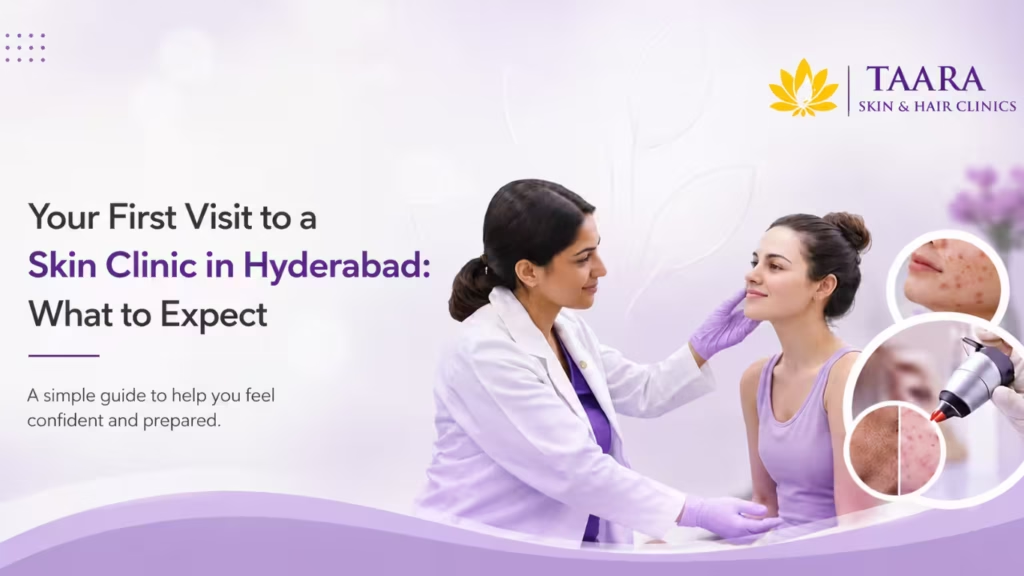
Starting your journey at a dermatology clinic in Hyderabad might bring a mix of feelings, one part eager, the other part uneasy. Some hold off from booking that first step, hesitant due to confusion around the process ahead. Questions such as these appear often: Could the consultation actually hurt somehow? Will I need tests? What will treatment cost? Can I start treatment immediately? How long before I see results? Seeing a skilled dermatologist means clear talk, real answers, tailored to you. Figuring out what lies ahead makes things less confusing and easier to handle. Right off, picture yourself taking those first few steps to visit a dermatology clinic in Hyderabad, even if it is your initial trip there. Why You Should Visit a Dermatology Clinic Instead of Self-Treating Few start with home remedies, find skin advice online, or try lotions from stores before anything else. Though a few slight problems may get better on their own, real solutions often need a doctor’s help. Skin problems people visit clinics for in Hyderabad often involve: Persistent acne or acne scars Melasma and pigmentation Sun damage and tanning Hair fall and thinning Dandruff and scalp infections Skin allergies and eczema Psoriasis Fines and early wrinkles show up Pores showing through, skin not looking smooth overall The real issue gets noticed by an experienced skin expert not only surface signs, but what lies beneath. Fixing it this way leads to lasting change, rather than quick Band-Aid solutions. Step 1: Registration and Medical History A record starts it all, nothing more. Still, that first step sets everything in motion. Questions might cover Current skin concerns How long the issue lasts Past care given Medications today Hormones out of balance like those seen in PCOS or thyroid issues Lifestyle habits (sun exposure, skincare routine) Providing honest information helps the doctor create a safe and effective treatment plan. Step 2: Detailed Skin Examination Following a look at your past medical records, the skin specialist carries out a hands-on checkup. Such cases might involve: Visual Assessment A closer look at shade, redness, swelling, and surface traits tells part of the story for the physician. Dermatoscope Examination Looking closer at the skin becomes easier with a dermatoscope. Because it enlarges views of skin levels, details stand out more clearly. Pigment patterns show up clearly, along with growths called moles. Scars from acne also appear sharper through this tool. Step 3: Understanding Your Diagnosis After checking the results, your skin doctor will walk you through what comes next. What condition you have Why it developed Whether it is hormonal, lifestyle-related, or sun-induced Expected recovery timeline This talk matters. Not every place gets it right solid clinics teach their guests instead of pushing treatments alone. Step 4: Personalized Treatment Planning One person’s skin looks unlike another’s. Because of that, each care approach fits the individual. At a dermatology clinic in Hyderabad, usual treatments might include: Chemical Peels Pores shrink on acne-prone faces while dark spots fade under sunlight. Skin brightens when dullness softens into clarity. Laser Treatments Works well on acne scars, dark spots, excess hair, plus helps refresh the skin. PRP (Platelet-Rich Plasma) Therapy Follicle health plus brighter skin often come through this one. Medi-Facials Shine and moisture boost from clinic-tested skin treatments. Anti-Aging Treatments Botox, fillers, and procedures that boost collagen. A dermatologist might go over: Number of sessions required Gap between sessions Expected downtime Cost estimate Might have slight effects A clear way of working shows trust that matters at skin clinics in Hyderabad. Will You Get Treatment on the Same Day Fairly often, that fits too. A small issue might get fixed right away. For example: Begin using prescription creams Basic Medi-facial Simple chemical peel Still, before bigger laser sessions or deeper work, checking skin with a small patch test could Safety always comes first. Cost Factors in Hyderabad What people pay for treatment changes depending on several things: Severeness of health issue Procedure type Session count Technology used Clinic expertise Hyderabad offers a wide range of dermatology services, but choosing the cheapest option is not always safe. Qualified dermatologists and advanced equipment ensure better results with minimal risks. How to Prepare Before Your Appointment For trustworthy outcomes: Avoid makeup on consultation day Stop trying new products 3-4 days before Carry past prescriptions Inform about pregnancy or health conditions Write down your concerns Starting here, tiny actions show how your skin looks to the dermatologist. Each move adds clarity during checkups. Aftercare and Follow-Up Following consultation or treatment, you’ll get: Skincare routine instructions Sun protection advice Medication schedule Follow-up appointment date Sticking to the routine matters most. Missing a sun protection step or halting pills too soon may slow progress. A Typical Patient Journey This is how many people start. Their path unfolds step by step Week 1: Consultation and diagnosis Week 2-4: Start treatment sessions Month 2: changes became hard to miss. Month 3-4: Significant results Maintenance phase: Periodic follow-ups Change in skin happens slowly, without sudden leaps. How to Choose the Right Dermatology Clinic in Hyderabad Choose somewhere suitable for what you require. When looking at dermatology clinics in Hyderabad, consider several factors at the start. A skilled dermatologist with solid credentials Clean surroundings kept everything tidy and free of germs Modern, FDA-approved equipment Clear cost explanation Good patient reviews Personalized treatment approach Avoid clinics that promise “instant permanent results.” Common Myths About First Dermatology Visits Myth 1: Consultation is painful Fact – It’s mostly discussion and exams. Myth 2: Dermatology treatments thin your skin Fact – treatments meant for health can actually boost skin quality, provided they’re handled right. Myth 3: Expensive creams work better than dermatologist care Fact – Hiring pros first stops money down blind paths. Frequently Asked Questions How long does a first visit take? Most times it takes between 20 and 40 minutes. Do I need tests? Provided there’s a health reason. Can men visit a dermatology clinic? True that’s. Skin plus hair issues touch each person differently. When
Why Visiting a Skin Clinic Near Me Is Better Than Trying Random Products
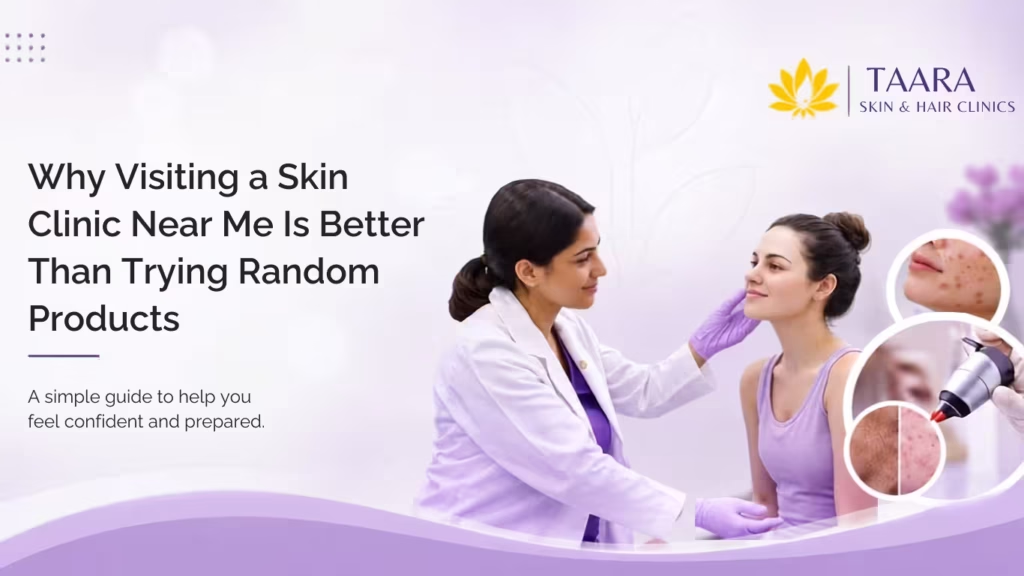
Starting by searching online for a skin clinic near me indicates that change is possible. Months may pass, or even years, while individuals test numerous creams, serums, and homemade treatments. These items often claim fast fixes yet ignore what actually leads to issues in the first place. Skin stays healthy when guesses do not guide it. A correct diagnosis comes first, then treatments backed by science, followed by skilled attention. Let’s understand why visiting a professional skin clinic is always better than experimenting with over-the-counter products. The Problem with Random Skincare Products 1. No proper skin diagnosis Skin varies from person to person. Something helpful for one individual could fail for another. Acne and dark spots may look alike at first glance, however, their roots differ. One stems from plugged pores, the other forms after skin damage occurs. A spot might fade fast if treated right, but linger when mistaken. Using creams without expert guidance often leads to clearer skin but more issues. Knowing you well means looking at what your skin is like, how sensitive it reacts, along with daily habits and past health notes only then comes a good choice in care. 2. Trial and Error Wastes Money Lots of folks pick up: Brightening creams Skin cleansers for acne control Chemical exfoliants Vitamin C serums Retinol creams A single failure doesn’t stop them. They reach for the next option right away. The process just keeps going. Fixing it. More cash vanishes, hours pile up, no actual change shows face. Most times, going to a skin clinic near me means getting options built around what works fastest without draining your budget later. 3. Risk of Skin Damage Using multiple active ingredients without guidance can cause: Over-exfoliation Chemical burns Increased pigmentation Severe dryness Skin barrier damage Most web advice fails when it comes to Indian skin. Only a qualified clinic checks whether a treatment fits your skin’s natural look and feels. Benefits of Visiting a Skin Clinic Near Me 1. Accurate Skin Analysis A place such as Taraa Clinic follows strict steps, they look closely at your skin just before any care starts. Dermatologists check: Skin type oily dry combination sensitive Acne severity Pigment layer thickness Sun exposure Signs of ageing From the start, getting treatment right relies on solid science. 2. Personalized Treatment Plans Every skin has its own character. That is why personalized treatment is important. Custom care makes more sense when results depend on uniqueness. A skin issue might lead a dermatologist to suggest: Medical creams Oral drugs Professional procedures Skincare routine adjustments One thing leads to quicker gains when you pick a plan instead of trying items at random. 3. Access to Advanced Technology Not every skin solution shows up at beauty outlets, professional centers handle different levels of care. Some popular options include: Chemical Peels Outward skin damage gets cleared by chemical peels. These treatments help smooth complexion issues like dark spots, pockmarks, or dull patches. Laser Treatments Laser treatments target deeper skin layers to reduce acne scars, pigmentation, and wrinkles effectively. Medi-Facials What sets salon treatments apart from Medi-facials? Doctor supervision guides the latter, relying on potent, proven ingredients so clients can heal without risk. 4. Safe and Medical-Grade Products Some places offer real solutions using what research has shown actually works. The stuff they sell comes with the right mix of effective components. Packed together Faster at work Dive further in Safer ones show up during dermatologist checks This cuts down the chance of skin reactions or unwanted effects. 5. Long-Term Skin Health Every time you go to a doctor’s office, it isn’t about shining skin today. What matters most is how your skin stays strong over months. Regular check-ups catch issues early: Stop pigmentation from coming back Control acne before scarring Detect early signs of skin damage Stay younger-looking on your skin for far longer than expected. How a Skin Clinic Near Me Saves You Time and Prevents Future Problems Many people delay visiting a dermatologist because they think their skin issue is “small.” When no one is watching, tiny skin problems might get worse over time if left untreated. 1. Early Treatment Prevents Scarring Scars might stay forever if acne goes unattended. Dark spots grow thicker, sinking further beneath the skin. Seeing a specialist soon cuts down harm over time this helps avoid costly fixes down the road. 2. Prevents Skin Barrier Damage Stacking retinol, acids, or scrubs into a routine might strip the skin’s natural shield. Without careful guidance, such mixes may erode their protective layer. This leads to: Constant redness Burning sensation Increased breakouts Sensitivity to sunlight A professional at Taraa Clinic ensures treatments are introduced gradually and safely. 3. Saves Months of Guesswork Instead of trying 5-6 products over 6 months, a dermatologist can identify the root cause in one consultation and start targeted treatment immediately. That means: Faster visible improvement Fewer side effects Better long-term skin health 4. Professional Monitoring Improves Results Mornings arrive differently now. Shifts in hormones slow things down. Stress piles on like autumn leaves. What you eat writes part of the script. Clouds move through without predictable weather signs. Skin responds quietly, day after day. Regular follow-ups at a skin clinic near me allow doctors to: Adjust treatment when needed Increase or decrease product strength Introduce advanced procedures at the right time This professional monitoring is something random over-the-counter products can never provide. When Should You Search for a Skin Clinic Near Me Book a visit when you see: Persistent acne that does not improve Dark spots or melasma Losing hair or problems with the head Skin allergies or rashes Early signs of ageing Uneven skin tone Early treatment gives better results and prevents complications. What to Expect During Your First Visit Starting at a skin clinic feels easy, also calm. Step 1: Skin Consultation The dermatologist listens to your concerns and examines your skin. Step 2: Diagnosis You get shown exactly what started the problem, without confusion. Step 3: Treatment Plan
Face Pigmentation Treatment: When Creams Stop Working
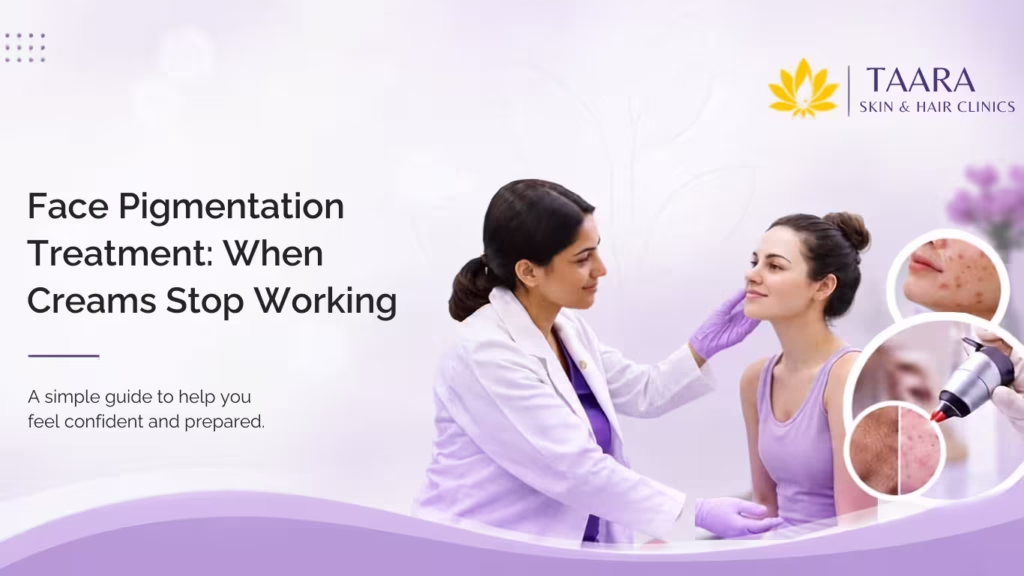
Happiness often follows someone buying a cream for dark spots. Right away, the skin improves slightly. Lighter seem the spots. Even now, you keep applying the cream each morning. Yet after a while, the cream loses its effect. Those deep stains remain behind. In truth, they might still grow heavier. Unsettling news brings discomfort along with unclear thoughts. If this is happening to you, do not worry. You are not alone. Many people face the same problem. When creams stop helping, it may be time to think about a professional face pigmentation treatment. In this blog, you will learn: Why pigmentation happens Why creams stop working When you need expert help The best face pigmentation treatment options How to stop pigmentation from coming back Here’s how it goes, one thing at a time. What Is Face Pigmentation Dark spots or skin shading that does not match can appear on the face. Melanin becomes overactive, causing these patches. Skin tone often turns uneven because of it. Melanin gives your skin its own natural shade. If melanin grows stronger than usual in a single spot, that place turns darker. Skin changes show up often, no exception here. Everyone might see them appear somehow. Common Types of Pigmentation Some pigments respond better to certain routines. Figuring out which one fits matters most. 1. Melasma Melasma shows up as dark spots, sometimes gray. You often see it on the cheeks, forehead, nose, and top part of the lip. Shifts in hormones, maybe pregnancy, perhaps birth control sometimes led to this. Not always clear but often tied to inner body adjustments. 2. Sunspots Sun damage often leaves behind flat dark patches. These marks go by several names, age spots being one of them. 3. Post-Inflammatory Hyperpigmentation Black spots show up once acne, zits, or skin damage fade. 4. Freckles Faint tan marks turn richer when sunlight hits them. One kind of skin issue responds best to specific pigment therapies. Trying different lotions at a guess won’t fix it every time. Why Creams Stop Working Some rely strictly on lotions. Yet those won’t remove stubborn skin color issues every time. Creams often lose effectiveness because of a few key issues. 1. Pigmentation runs thick Sometimes, skin creams stay within the outer layer. When melanin goes further below, those creams just cannot get through. 2. Using the wrong cream for your skin issue Pigment behaves differently every time. What clears acne scars could leave melasma untouched. 3. Hormonal Causes When hormones play a role in skin coloring, relying only on creams falls short. 4. Too Much Sun Exposure Skin gets darker when sunlight piles up each day. Protective lotions work poorly if clouds of UV stay overhead. 5. Skin grows accustomed to the cream. When stuff gets used again and again, skin can lose its reaction to what’s in things we put on it. 6. Overuse of Strong Creams Not every person checks with their doctor before trying steroid creams. Quick improvements can happen. Still, over time, skin health tends to deteriorate. Dark spots often grow more intense too. If creams no longer work, then deeper solutions need attention. Advanced treatments become possible when standard options fail. Signs You Need Professional Help See a skin expert when: Freckles or dark patches take around three to six months to disappear Skin tones are shifting Skin seems too light, maybe even red along the edges You see redness or burning Spots return after stopping creams Starting care soon leads to stronger outcomes. Waiting too far brings less gain. Best Face Pigmentation Treatment Options Skin looks at its own kind and how deep the color goes. After seeing that, a doctor picks what needs to happen next. These are usual ways work gets handled at job places. 1. Chemical Peels They put a certain liquid down for you during this process. That removes the broken outer layer. This helps: Brighten up dark areas Improve skin tone Make skin smooth Results might come slowly, sometimes taking multiple visits to show up well. 2. Laser Treatment Follicles respond when light energy reaches them. Melanin breaks down after laser exposure. Skin clarity often improves as a result. It works well for: Stubborn melasma Deep sunspots Old pigmentation Laser is a popular and effective face pigmentation treatment for long-term results. 3. Microdermabrasion A soft way to smooth the skin. Removes the outer layer, especially dead cells. It holds up when: A faint speck of color Dull skin Acne marks Over days, it lifts the look of your skin tone. 4. Medi-Facials A medical facial stands apart from everyday spa treatments. Done with professional guidance, it brings deeper results. They help: Improve skin glow Light skin spots can be less noticeable Keep outcomes steady after care 5. Prescription treatments Creams from doctors might come together in special mixes. These versions are more powerful, watched closely, and works better when handled right. Things like: Vitamin creams Mild exfoliating agents Skin-lightening formulas Most times, people try this kind of skin stain treatment only after talking with a skin expert. How Doctors Choose the Right Treatment Guessing has no place in medicine. What happens is someone watches closely Your skin type Your past health issues The cause of pigmentation The depth of pigment Following that, they build a custom treatment strategy. Outcomes tend to be improved and less risky when done this way. Benefits of Professional Face Pigmentation Treatment Fear often holds people back from getting help. Yet skilled treatment offers clear advantages. 1. Faster Results Professional treatments go further than lotions ever could. 2. Safe Procedures They follow proven ways. 3. Long-Lasting Improvement Stuff stays good longer if handled right. 4. Fewer risks exist Looking after your skin helps lower harm from problems. 5. Boost in Confidence A smoother face often means feeling better about yourself. A fresh start happens if skin pigmentation treatments go just right. Aftercare Is Very Important Treatment alone is not enough. Aftercare protects your results. Now, here’s your next step 1.
Best Dermatologist in Hyderabad for Hair Problems: How to Choose the Right Doctor
Many people don’t search for the “best dermatologist in Hyderabad for hair” casually. Usually not out of curiosity, but because you’ve quietly noticed a change for several weeks and months: a small amount of hair falls out, but now the pillow has a lot of hair; the shower drain is filled with hair; you look in the mirror and see your hairline or the back of your head doesn’t seem to look right. At first, you may try to find a reason for your hair loss. After several weeks or months like this, daily life now revolves around worrying about your hair loss. You put more time into styling your hair. You have begun to lose your self-confidence due to your hair loss. What you are looking for is not another tip from a friend or another video on the internet. You’re confused and looking for answers about whether your experience is typical of many people with hair loss, whether it could be an indication of something potentially troubling. When these questions grow louder, people search for the “best dermatologist in Hyderabad for hair.” It’s a quiet call for expert guidance. This article will help you decide when to take the right step and how to choose the right hair specialist. Hair Problems Often Go Unnoticed Thinning hair or shedding hair usually isn’t something that happens immediately. Instead there is usually a gradual or repeated period of time (perhaps weeks or months), leading to many little hair loss occurrences (often no one notices them at first or mistakenly thinks that the reason for this hair shedding or loss is because of their age, stress, or the quality of the water they use). Since hair grows in cycles, if these cycles are disrupted (i.e., by stress or using aggressive chemical irritants), you may have additional hair loss and difficulty regrowing your hair back. If you are experiencing any of these types of problems then it is recommended that you seek professional assistance from a hair care professional before you have further complications with your hair care needs. The Waiting Phase and Its Risks Before visiting a dermatologist, most people try: Changing shampoos frequently Using oils or home remedies Following random online tips Ignoring it during busy days These steps are not harmful individually, but they often delay diagnosis. By the time someone searches for the “best dermatologist in Hyderabad for hair,” hair thinning may already be more advanced than it seems. Signs Of Healthy Hair Beyond Appearance Hair serves as an indicator for several things aside from being just cosmetic, such as the amount of: Hormones Nutrients Stress/sleep quality Scalp infections or inflammation Genetic predisposition Two people may have similar hair fall but completely different underlying causes. Treating the hair so rarely addresses the root problem. Self-Check: Is It Time to See a Dermatologist? Consider the consulting a hair specialist if you notice: Hair fall lasting more than 8–10 weeks Noticeable reduction in hair volume Scalp visibility under normal light Hair feels thinner even after washing Family history of hair loss Scalp itching and dandruff and also irritation These signs indicate that the hair cycle is affected, and professional evaluation is the next responsible step. What a Hair Specialist Evaluates That You Can’t A good dermatologist examines: Scalp condition Hair density and thickness Pattern of hair loss Medical history Lifestyle factors This helps answer critical questions: Is hair fall temporary or progressive? Is regrowth possible? Which treatments should start first? Without this assessment, treatment is often guesswork. Why Online Advice Can Confuse More Than Help Online content mixes many hair problems together. One video suggests oils, another supplements, and another PRP. But hair loss is not universal. Stress-related hair fall may need lifestyle changes. Hormonal hair loss may require medical treatment. Scalp inflammation may need some medication. Trying everything at once which leads to disappointment. A dermatologist filters the noise and provides clear guidance. Hair Treatment Is a Journey, Not a Quick Fix Hair treatments don’t work like painkillers. They progress in stages: Phase 1 Reducing the excessive hair fall, and which helps for improving scalp health Phase 2 Strengthening hair and supporting regrowth. Gradual results are just normal. Dermatologists guide patients through the timeline to ensure the expectations stay realistic. PRP and Advanced Treatments Need Expert Oversight PRP is popular but not cosmetic. Proper care requires: Correct patient selection Proper preparation Planned sessions Integration with medical treatment Without any guidance, results may be normal. A dermatologist decides if, when, and how these treatments should be used. Choosing the Right Dermatologist Matters More Than Treatment Instead of asking “Which treatment is best and better?” consider: “Who is guiding my treatment?” A good dermatologist: Explains clearly Sets honest expectations Avoids unnecessary procedures Focuses on long-term hair health Doctors promising instant regrowth are often misleading. What Patients Say After Consulting the Right Doctor Patients often report: “I finally understood my hair problem.” “I wish I had come earlier.” “The plan made sense.” Understanding alone reduces anxiety and builds confidence. The Best Time to Seek Help Is Early Hair loss is easier to slow than to reverse. Once follicles become inactive, options are limited. Searching for the “best dermatologist in Hyderabad for hair” is a responsible step, not a sign of panic. Common Myths About Hair Loss A great number of folks believe that hair loss is only caused by stress, shampoo, or age. The above myths lead people to wait too long before taking action against their hair loss problem. Some examples of popular myths include: “Brushing increases hair loss.” “Hair products are the primary cause of hair loss.” “Lost hair can not regrow.” See a dermatologist to clarify facts from fiction. Knowledge of the real reason for your hair loss will save time and resources and aid you in concentrating on proven effective solutions for your hair. Typical Lifestyle Differences That Help Promote Healthy Hair Although medical treatment is important, the use of daily habits can be complementary to the overall
Skin Problems After 30: Why They Increase and How to Control Them
After 30, things shift. Confidence grows now. Life makes sense in ways it never did before. Skin begins to tell a different story for some folks. Lines appear. The skin seems lifeless. Shadows stand out more. Its return, long past teens. When this happens, stay calm. Others feel the same way. Many people experience skin problems after 30 because the skin starts changing naturally. The good news is you can control these changes with the right care and expert guidance. Here’s what goes behind that shift. It just makes sense when you see how things unfold. Why Does Skin Change After 30 People often forget how quietly skin changes unfold. Time slips by without loud signals. Past thirty, two key building blocks, collagen and elastin, begin fading. Slowness is the main rhythm here. Fibers made by proteins give skin its strength and even texture. Skin shifts because of several key factors. 1. Collagen Production Slows Down Underneath the surface, collagen acts as a quiet backbone for skin health. Strength shows up in how firm and awake your skin feels. After 30: Skin becomes thinner Fine lines show up Folds begin to show up over time Skin may start to sag This is one of the main causes of skin problems after 30. 2. Slower skin cell renewal Fresh off the block, a child’s face moves fast, new layers popping up without delay. Old skin flakes drift away, making room for fresh ones stepping in. After 30: Skin renewal takes a back seat when cell turnover fades. Skin looks dull The texture shifts into rough patches Pores look bigger sometimes. Now she doesn’t radiate the same warmth as before. 3. Hormonal Changes What happens inside your body can show up on your skin, thanks to hormones. They nudge things in ways most people overlook. Shifts in estrogen levels, along with related hormones, may trigger these events: Adult acne Pigmentation Oily or too dry skin Jawline breakouts Some women start seeing acne in their 30s, tied to hormones. 4. Sun Damage Builds Up By your 30s, skin changes from years of little sun protection could already be visible. Too much sunlight over time leads to Dark spots Melasma Fine lines Uneven skin tone Past sunlight takes a heavy toll on skin problems after 30. 5. Lifestyle Stress When life feels nonstop, juggling job demands, caring for loved ones, getting poor rest, plus facing pressure it often shows in how you look. Skin leads to react under those conditions. Stress increases cortisol levels, which can lead to: Acne Boredom Early ageing Sensitivity What you do shows on your skin. Common Skin Problems After 30 What often catches attention comes up next. Fine Lines and Wrinkles You may first notice: Lines around the eyes Smile lines Lines on the forehead Fine lines begin where few look closely. Should they go unchecked, shadows grow behind the skin. Pigmentation and Dark Spots Dark patches often show up on Cheeks Forehead line area Upper lip Maybe melasma or sunspots are behind this. When hormones rise, things get harder under sunlight. Adult Acne Even past thirty, pimples sometimes return. Adult acne often shows up: Painful Beneath the surface of what you feel Around chin and jawline Hormones play a role, along with stress, when symptoms appear. Dry and Dehydrated Skin Skin could feel Simple Rough Flaky As years go by, less oil comes out of the ground. When skin stays too parched, cracks appear more often than care. Enlarged Pores When skin’s elasticity fades, pores seem larger than normal. Skin feels rough because of how it lays across the face. Under-Eye Problems Dark circles stand out more when they combine with puffiness. That’s because Lack of sleep Thinner skin Less collagen Getting older brings some usual changes on the skin, yet most of these still respond well to care. How to Control Skin Problems After 30 Here is where things get real what happens next. What matters most is moving fast at first, then sticking to it. 1. Follow a Proper Skincare Routine A simple but regular routine makes a big difference. Morning Routine: Gentle cleanser Vitamin C serum Moisturizer Sunscreen with at least SPF 30 works well. Skin stays protected when sunscreen becomes part of everyday life, inside or outside. Night Routine: Cleanser Retinol (when doctor says okay) Moisturizer Fine wrinkles fade as retinol boosts collagen beneath the skin. 2. Add Anti-Ageing Ingredients Check if items have these ingredients: Retinol Hyaluronic acid Vitamin C Peptides Niacinamide Still, check in with a dermatologist first when using powerful skin care ingredients. 3. Professional Dermatologist Treatments Faster progress often comes through expert care rather than home routines. Results tend to improve when therapy is done by specialists instead. Chemical Peels A chemical peel takes off old skin particles while helping skin look clearer in several ways: Pigmentation Acne marks Boredom Uneven texture Laser skin treatment rejuvenation Laser treatments help: Reduce dark spots Improve wrinkles Boost collagen Tighten skin Microneedling Microneedling sparks collagen while enhancing Acne scars Fine lines Large pores Botox and Fillers Botox cuts wrinkle size. Lost shape returns through fillers. Experts deliver fast, clear outcomes here. Professional care helps handle skin problems after 30 without risk or harm. Lifestyle Tips for Healthy Skin After 30 Skincare products alone are never enough. What you do every day carries more weight than any product. Eat Healthy Include: Fruits Vegetables Nuts Protein Skin gets shielded by antioxidant forces, blocking harm along the way. Drink Enough Water Drinking enough helps skin look brighter, softer, less parched. Sleep 7-8 Hours While resting, skin mends itself through the night. Lack of quality sleep shows as puffiness under eyes plus lackluster tone. Manage Stress Try: Yoga Meditation Steps taken Deep breathing Stress directly affects skin health. Avoid Smoking and Excess Alcohol These speed up aging and damage collagen. When Should You See a Dermatologist Do not ignore persistent issues. See a dermatologist when you spot these signs: Some acne just won’t budge despite trying
How to Know What Problem You Really Have and Explore Hair Thinning Treatment
Hair thinning does not start suddenly. Most people do not notice it on the first day or even the first month. At first, hair only feels different. It does not look the same in photos and does not feel thick while tying or styling. This is the stage where early hair thinning treatment can make a big difference. Under bright light, the scalp looks more visible and people usually ignore these signs. It’s their belief that it will resolve itself as time goes by. That is how hair thinning slowly increases without being noticed. At this stage, many people still wait. They try to change shampoo or oil, hoping it will fix everything. But hair thinning is often linked to stress, nutrition, hormones, or lifestyle habits. If the root cause is not understood, the thinning may continue. Early action is always easier than late correction. When treatment begins in the early stage, hair roots are still active. With the right care, proper guidance, and simple lifestyle changes, it is possible to slow down thinning and improve hair strength. Ignoring the early signals only makes recovery harder. Listening to your hair at the right time can protect both your confidence and your long-term hair health. Difference Between Thinning and Hair Loss Many people believe that thinning and falling are the same issues to health. They are not. Hair fall means hair shedding. Hair thinning means loss of volume. In thinning: Hair strands become thin Hair looks flat Density reduces slowly Scalp becomes visible Some people say, “I don’t have much hair fall, but my hair is less.” That usually means thinning. This difference is important before starting any hair thinning treatment. Why Hair Thinning Does Not Feel Serious at First Hair thinning does not cause pain and there is no itching in many cases and no redness or burning. Because of this, people do not feel worried in the beginning. Another reason is slow change. People compare their hair with last month, not last year. Monthly change feels small and yearly change shows the real loss. By the time people feel concerned, thinning has already progressed. How Hair Growth Normally Works Hair does not grow every day. It follows a cycle: Growth phase Rest phase Shedding phase At any time, some hair falls and some hair grows. This balance keeps hair full. When growth becomes weak and shedding continues, hair starts thinning. Hair thinning treatment tries to correct this balance. Why People Cannot Identify the Real Problem Hair thinning rarely has one single cause. People keep guessing: Stress Food Shampoo Weather Genetics They try many things together. Oils. Serums. Supplements. Home remedies and nothing feels clear and this creates confusion and frustration. Without knowing the real cause, treatment becomes random. Genetic Hair Thinning Does Not Mean Immediate Baldness Genetic thinning does not always lead to baldness. It usually appears as: Slow reduction in density Finer hair Shorter hair length Hair still grows, but it grows weak. If identified early, this type of thinning can be controlled with proper hair thinning treatment. Stress Affects Hair More Than People Realise Stress does not cause instant hair loss. It works slowly. During long stress: Hair enters rest phase early Growth slows Hair sheds later Many people notice thinning months after stress, not during it. This delay makes it confusing. Once stress reduces, hair can recover with proper support. Diet and Hair Strength Are Connected Many people eat daily and still have hair thinning. The problem is not always quantity but quality and absorption. Common issues include: Low protein Iron imbalance Vitamin deficiencies Hair follicles need nutrition regularly. When supply reduces slowly, hair becomes weak slowly and doctors usually check this before suggesting supplements. The Health of the Scalp Is Frequently Overlooked The hair grows from the scalp and not from oils or shampoo. If the scalp is: Inflamed Too oily Too dry Hair roots become weak and many people only care about hair strands and if they ignore scalp issues until they become severe. Scalp correction is a basic step in hair thinning treatment. Why Online Advice Creates More Confusion Online tips mix all hair problems together. Advice for dandruff is used for thinning. Growth serums are used on irritated scalp. Heavy oils are used on oily scalp. Some people see short relief. Then the problem returns. Without proper evaluation, advice does more harm than good. What Doctors Check During Hair Evaluation Doctors do not only count fallen hair. They check: Hair thickness Density Scalp condition Pattern of thinning Family history This helps them understand whether the issue is thinning, shedding, or both. Treatment depends on this understanding. Why One Treatment Does Not Work for Everyone Hair thinning looks similar to many people. But the cause can be different. One person may need scalp care. Another may need nutrition support. Another may need growth support. This is why copying someone else’s routine rarely works. What Hair Thinning Treatment Really Focuses On Hair thinning treatment does not promise fast volume. It focuses on: Reducing ongoing thinning Strengthening existing hair Supporting healthy regrowth The first improvement is usually better hair strength, not instant thickness. Why Early Action Matters Hair roots respond better in early stages. Early treatment: Preserves existing hair Gives better results Reduces future damage Waiting makes recovery slower. Why Results Take Time Hair grows slowly and thinning also happens slowly and you can see improvement is seen over months, not weeks. Doctors look for: Reduced weakness Better texture Improved density Patience is important. Some Hair Thinning Needs Long-Term Care Certain thinning patterns need regular support. Stopping treatment suddenly can reverse progress. Maintenance does not mean strong treatment. It means consistency. Hair Thinning Affects Confidence Many people do not talk about this. They avoid photos. They change hairstyles. They feel older than their age. Understanding this emotional side helps people stay committed to treatment. Knowing Your Real Problem Makes Treatment Easier Once people understand their hair problem: They stop guessing Stop changing products They
Chemical Peel vs Laser Treatment: Which Is Better for Your Skin?
Confidence often comes from how skin looks. Still, plenty face issues like pimple marks, uneven tones, fine lines, or lackluster texture. That shift toward stronger skincare options has quietly gained ground. Some people try chemical peels, others go for laser therapy. But when comparing chemical peel vs laser treatment, which one is better for your skin? For some people, the result won’t be identical. Treatment paths diverge because they operate on distinct mechanisms. Benefits vary alongside associated dangers, expenses, healing periods, and recovery lengths. Start by knowing your options, each has its own path and fits certain lives better than others. Here, each part unfolds without confusion, helping you weigh options clearly while staying protected. What Is a Chemical Peel Peeling away old skin happens when a certain liquid touches the surface. Once that outer layer lifts free, newer skin shows up beneath, clear and less rough. Skin gets a light scrub through gentle acid picks chosen by doctors. Peel power shifts based on what’s wrong with the skin at the time. Types of Chemical Peels There are three big categories. 1. Superficial Peel A gentle peel takes place here. Only the outer skin layer gets removed. Dealing with slight dark spots becomes easier. Dull texture improves too. Tiny pimples respond well also. Healing happens fast almost instantly. 2. Medium Peel Faster than most, this peel digs further into the skin. Acne marks, uneven shadows, even tiny wrinkles get attention here. A few days following the session, peeling could happen. Skin shifts while it heals. 3. Deep Peel A good peel shows up here. Deeper lines and scars feel its effect. Healing takes extra days, yet changes stand out sharply. What Problems Can a Chemical Peel Treat Acne Acne marks Pigmentation Uneven skin tone Fine lines Sun exposure Dull skin A quick treatment makes chemical peels appealing to most. Simplicity plays a role, along with low cost. Ease stands out for those looking for change without effort. What Is Laser Treatment Light focused by a laser works on the skin’s surface. It removes old tissue while warming sections below, stirring new tissue growth. This substance, called collagen, helps skin stay tight and fresh. Growth here builds strength over time. When talking about chemical peels compared to laser treatments, lasers often bring deeper strength and sophistication. What sets them apart is how intensely they work on skin issues. These machines pack a serious punch compared to older methods like peels. Their power stands out across many cosmetic setups. Types of Laser Treatments 1. Ablative Laser A beam from this laser strips away skin’s outside layer. Useful when tackling strong lines and pitted marks. 2. Non-Ablative Laser treatment This laser ignores the outer layer entirely. What happens instead is warmth reaching deeper into the skin. Skin begins to firm up while its appearance grows smoother. 3. Fractional Laser treatment This method focuses on tiny parts of the skin, while keeping everything nearby neutral. Faster recovery often follows. What Problems Can Laser Treatment Treat Deep acne scars Wrinkles Loose skin Stretch marks Heavy skin coloring Sun damage A single laser session can sometimes last much longer than expected. Power levels differ widely depending on the area treated. Most people notice visible improvements quite early after their appointment. Chemical Peel vs Laser Treatment: Key Differences Here’s how it breaks down when you look at chemical peels alongside laser treatments using everyday language. 1. Treatment Depth Chemical peels target only the outer skin layers all except deep ones. A beam of light may travel further into the skin than some expect. A light treatment could handle slight issues. Deeper marks might respond more effectively with a laser approach instead. 2. Pain Level What level of pain are you currently feeling? A light chemical peel might tickle the skin a bit. Some people find laser sessions harder to tolerate, yet medics often apply numbing gel to lower discomfort. 3. Downtime Most people can go about their day right after getting a superficial peel. No long recovery needed here. Healing after medium or deep peels can take several days. Healing from laser sessions, particularly ablative ones, often takes around seven days or longer. 4. Cost Most chemical peels come at a lower cost. Even though its high end, laser therapy expenses exist due to modern tech demands. 5. Number of Sessions sessions number Most peels need more than one visit to work fully. Results usually build slowly over time. Some laser treatments may show big improvement in fewer sessions. 6. Results Skin brightness and smoothness grow slowly from peels. For serious issues, laser solutions may deliver greater impact and lasting effects. Benefits of Chemical Peels Chemical peels offer many benefits, especially for beginners. 1. Quick Procedure A typical peel lasts between twenty and thirty minutes. 2. Affordable Option These options usually cost less than laser procedures. 3. Improves Skin Glow A peel strips away flat, lifeless layers. What shows up after? Skin that looks lighter, clearer, suddenly awake. 4. Helps with acne and skin pigmentation For everyday use, these do a good job on light acne plus freckles or age marks. 5. Minimal Downtime (Light Peels) Life goes back to normal following a basic peel treatment. For people who want gentle improvement, peels are a great start. Benefits of Laser Treatments Nowadays, lasers have become far more powerful and refined. 1. Targets deep scars A beam of light may go further into the skin, helping clear tough acne marks. 2. Boosts Collagen It helps tighten loose skin while lowering wrinkle depth. 3. Long-Lasting Results Most laser outcomes stay active more time than chemical peels. 4. Improves Skin Texture It softens uneven skin while shrinking wide pore openings. For serious scars or noticeable skin changes, laser options often work better. Side effects and risks Each approach carries risks in some way, so guidance from a skilled professional help keep things under control. Chemical Peel Side Effects Redness A slight puffiness Peeling Sensitivity during temporary work periods Laser
Skin Rejuvenation Treatment in Hyderabad: Who Needs It and Why
Good skin makes you feel confident. A bright complexion does more than please others, it lifts your mood, too. Still, dirty air, constant pressure, long days of sunlight, and time wearing down can wear it down. Often, you see a loss of glow, dark spots, tiny wrinkles, or skin that looks uneven over months. This is where skin rejuvenation treatment can help. Now, many people in Hyderabad choose professional treatments to restore their natural glow. But who really needs these treatments? And why are they becoming so popular? Let us understand everything clearly. What Is Skin Rejuvenation Treatment Skin rejuvenation means a medical approach aimed at enhancing skin health. Dull skin gets a brighter look through this method while age marks soften and fade. Dark patches become less visible as fine lines ease across the face. Texture often grows more even and balanced under treatment effects. These sessions dive further beneath the surface compared to standard spa treatments. With help from high-tech tools approved by medical experts, skin restoration happens through targeted repairs plus a natural boost in collagen. Brighter texture appears along with a tighter feel and overall improved wellness, showing up clearly on the face. What matters above all is how doctors adjust every session based on your skin’s characteristics and issues. Because of that, outcomes feel genuine, staying visible over time. Why Skin Problems Are Increasing in Hyderabad Hyderabad keeps expanding. As things move forward, folks gain chances too, yet smoke and dirt often follow close behind. Fierce sun and hot days tend to wear down the body’s natural shield. Because of this, many people experience: Sun tanning Pigmentation Acne marks Early wrinkles A skin that feels hard to the touch When life feels heavy, skin often shows tired eyes, shaky moods. Missing sleep piles on more strain. Because of that, many turn elsewhere these days. Skincare pros offer real help beyond what a kitchen shelf can offer. Signs You May Need Skin Rejuvenation Treatment Sometimes it’s clear, other times less so what matters is noticing changes. Signs pop up differently for everyone, yet certain patterns show when support could help. 1. Dull and Tired-Looking Skin If your face looks dull even after proper skincare, it may need deeper damage. Pollution and sun exposure reduce natural glow. A proper skin rejuvenation treatment helps remove dead skin cells and restore brightness. 2. Uneven skin tone or pigmentation Uneven skin tone shows up as dark patches, spotty areas, or sun-induced changes. Though moisturizers offer some relief, real results often come from professional treatments instead. 3. Fine Lines and Early Aging After the age of 25, collagen production slowly reduces. As a result, you may notice fine lines around the eyes or mouth. Early treatment prevents deeper wrinkles later. 4. Acne marks and open pores Scars from acne tend to linger alongside bigger pores. Trouble with skin smoothness shows up clearly here. High-level options help even out rough zones while brightening overall tone. When things seem wrong, reaching out to a qualified person might help make sense of them. Who Is an Ideal Candidate Skin rejuvenation treatment is suitable for many people. Working professionals exposed to pollution Brides and grooms preparing for weddings People above 25 noticing early aging People who have sun damage People looking for better skin health and a brighter complexion might find this useful. Sometimes people pick one kind of treatment. Skin differences oily, dry, sensitive, or mixed guide how doctors handle each visit. Men might respond better to certain paths. Women often find other routes work just as well. Dermatologists adapt every step based on personal physiology. Procedures shift depending on individual skin patterns. Types of Skin Rejuvenation Treatments Available Skin care today has clear choices. Look at well-known treatments found in Hyderabad, for example. Laser Skin Rejuvenation Damaged skin cells are what laser technology aims at. Stimulation of collagen happens along with better skin firmness and smoothness. Reducing pigmentation and wrinkles is something this procedure does effectively. Chemical Peels Skin starts renewing after doctors apply a gentle chemical mix. Fresh texture shows up once old layers fade away. Smoother skin comes into view without extra effort. Dark spots from pimples tend to fade under this treatment. Surface clarity improves when dullness lifts away. Microdermabrasion A gentle scrubbing happens here, just on the outer skin layers. Skin looks smoother, plus there’s immediate shine all without long recovery time. Therapy using PRP (Platelet-Rich Plasma) This approach involves healthcare professionals applying your body’s own platelets to help skin heal. Natural collagen formation gets a boost, along with better overall skin condition. HydraFacial A wash here pulls dirt out while adding moisture through small particle removal. Skin feels softer because of it and works quietly on its own. Works well without causing irritation, fits many different face types. One choice offers distinct advantages over others. After looking closely at your skin, a dermatologist might suggest that particular option. Benefits of Professional Treatment Home fixes often come before professional help. Still, real therapy tends to work better and stay effective longer. The main benefits are: 1. Deep Skin Repair Healing happens far from view. Damage gets fixed where it matters most. 2. Boosted Collagen Production Collagen keeps skin firm and youthful. Medical procedures stimulate natural collagen growth. 3. Even Skin Tone Fading pigmentation continues slowly while skin tone grows smoother across areas. 4. Improved Texture Scars feel smoother now, pores less visible, small marks fade just enough to notice. 5. Customized Care Above all, dermatologists create custom routines tailored to each person. Such personalization helps reduce risks while improving outcomes. Why Early Treatment Is Important Many people wait too long before visiting a dermatologist. However, early care prevents major damage. For example: Lighter spots tend to respond better than thick, shadowy marks. Start stopping early wrinkles before they grow into thick lines. Managing acne marks early avoids permanent scars. So fixing skin early cuts costs later plus saves hours down the road. Is it safe Safety first. Happily,