Skin Problems After 30: Why They Increase and How to Control Them

After 30, things shift. Confidence grows now. Life makes sense in ways it never did before. Skin begins to tell a different story for some folks. Lines appear. The skin seems lifeless. Shadows stand out more. Its return, long past teens. When this happens, stay calm. Others feel the same way. Many people experience skin problems after 30 because the skin starts changing naturally. The good news is you can control these changes with the right care and expert guidance. Here’s what goes behind that shift. It just makes sense when you see how things unfold. Why Does Skin Change After 30 People often forget how quietly skin changes unfold. Time slips by without loud signals. Past thirty, two key building blocks, collagen and elastin, begin fading. Slowness is the main rhythm here. Fibers made by proteins give skin its strength and even texture. Skin shifts because of several key factors. 1. Collagen Production Slows Down Underneath the surface, collagen acts as a quiet backbone for skin health. Strength shows up in how firm and awake your skin feels. After 30: Skin becomes thinner Fine lines show up Folds begin to show up over time Skin may start to sag This is one of the main causes of skin problems after 30. 2. Slower skin cell renewal Fresh off the block, a child’s face moves fast, new layers popping up without delay. Old skin flakes drift away, making room for fresh ones stepping in. After 30: Skin renewal takes a back seat when cell turnover fades. Skin looks dull The texture shifts into rough patches Pores look bigger sometimes. Now she doesn’t radiate the same warmth as before. 3. Hormonal Changes What happens inside your body can show up on your skin, thanks to hormones. They nudge things in ways most people overlook. Shifts in estrogen levels, along with related hormones, may trigger these events: Adult acne Pigmentation Oily or too dry skin Jawline breakouts Some women start seeing acne in their 30s, tied to hormones. 4. Sun Damage Builds Up By your 30s, skin changes from years of little sun protection could already be visible. Too much sunlight over time leads to Dark spots Melasma Fine lines Uneven skin tone Past sunlight takes a heavy toll on skin problems after 30. 5. Lifestyle Stress When life feels nonstop, juggling job demands, caring for loved ones, getting poor rest, plus facing pressure it often shows in how you look. Skin leads to react under those conditions. Stress increases cortisol levels, which can lead to: Acne Boredom Early ageing Sensitivity What you do shows on your skin. Common Skin Problems After 30 What often catches attention comes up next. Fine Lines and Wrinkles You may first notice: Lines around the eyes Smile lines Lines on the forehead Fine lines begin where few look closely. Should they go unchecked, shadows grow behind the skin. Pigmentation and Dark Spots Dark patches often show up on Cheeks Forehead line area Upper lip Maybe melasma or sunspots are behind this. When hormones rise, things get harder under sunlight. Adult Acne Even past thirty, pimples sometimes return. Adult acne often shows up: Painful Beneath the surface of what you feel Around chin and jawline Hormones play a role, along with stress, when symptoms appear. Dry and Dehydrated Skin Skin could feel Simple Rough Flaky As years go by, less oil comes out of the ground. When skin stays too parched, cracks appear more often than care. Enlarged Pores When skin’s elasticity fades, pores seem larger than normal. Skin feels rough because of how it lays across the face. Under-Eye Problems Dark circles stand out more when they combine with puffiness. That’s because Lack of sleep Thinner skin Less collagen Getting older brings some usual changes on the skin, yet most of these still respond well to care. How to Control Skin Problems After 30 Here is where things get real what happens next. What matters most is moving fast at first, then sticking to it. 1. Follow a Proper Skincare Routine A simple but regular routine makes a big difference. Morning Routine: Gentle cleanser Vitamin C serum Moisturizer Sunscreen with at least SPF 30 works well. Skin stays protected when sunscreen becomes part of everyday life, inside or outside. Night Routine: Cleanser Retinol (when doctor says okay) Moisturizer Fine wrinkles fade as retinol boosts collagen beneath the skin. 2. Add Anti-Ageing Ingredients Check if items have these ingredients: Retinol Hyaluronic acid Vitamin C Peptides Niacinamide Still, check in with a dermatologist first when using powerful skin care ingredients. 3. Professional Dermatologist Treatments Faster progress often comes through expert care rather than home routines. Results tend to improve when therapy is done by specialists instead. Chemical Peels A chemical peel takes off old skin particles while helping skin look clearer in several ways: Pigmentation Acne marks Boredom Uneven texture Laser skin treatment rejuvenation Laser treatments help: Reduce dark spots Improve wrinkles Boost collagen Tighten skin Microneedling Microneedling sparks collagen while enhancing Acne scars Fine lines Large pores Botox and Fillers Botox cuts wrinkle size. Lost shape returns through fillers. Experts deliver fast, clear outcomes here. Professional care helps handle skin problems after 30 without risk or harm. Lifestyle Tips for Healthy Skin After 30 Skincare products alone are never enough. What you do every day carries more weight than any product. Eat Healthy Include: Fruits Vegetables Nuts Protein Skin gets shielded by antioxidant forces, blocking harm along the way. Drink Enough Water Drinking enough helps skin look brighter, softer, less parched. Sleep 7-8 Hours While resting, skin mends itself through the night. Lack of quality sleep shows as puffiness under eyes plus lackluster tone. Manage Stress Try: Yoga Meditation Steps taken Deep breathing Stress directly affects skin health. Avoid Smoking and Excess Alcohol These speed up aging and damage collagen. When Should You See a Dermatologist Do not ignore persistent issues. See a dermatologist when you spot these signs: Some acne just won’t budge despite trying
Open Pores Treatment in Hyderabad: Expert Skin Care
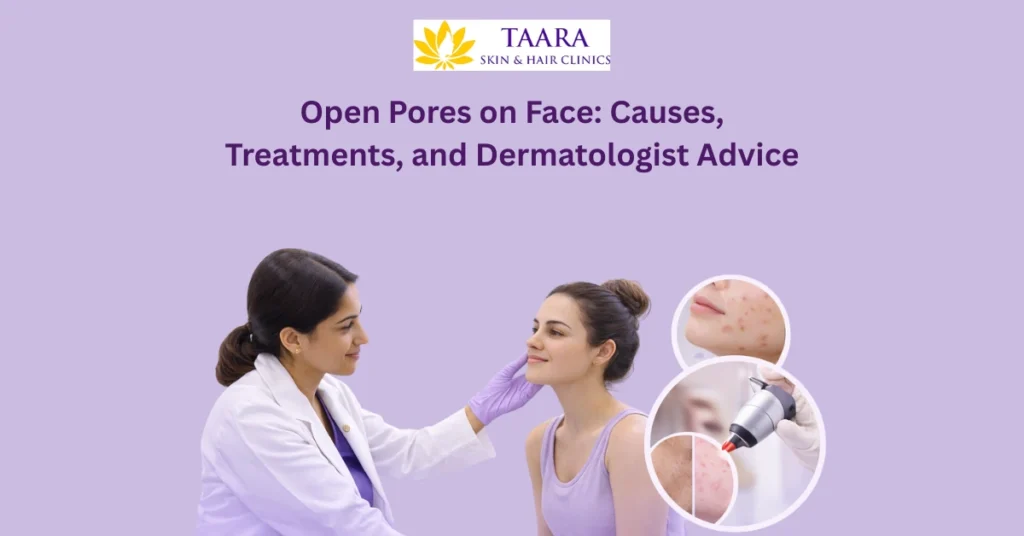
Facing uneven skin, many people turn to routines in the hope of achieving clearer skin. Still, oiliness, rough texture, or lack of balance remains a challenge. Behind much of this frustration? Visible pore size. Not an illness, just a visible detail that shapes how flawless the face appears. What keeps your skin working are tiny openings called pores. Oil moves out through them, along with sweat, helping the body stay protected. Still, if those pores grow too large, they start holding grease and grime better, making spots look worse. Because of this, the skin could appear bright or flat, bumpy or matte, no matter how it’s washed. The good news is that this concern can be managed. Pores may not disappear completely, but their appearance can be reduced with the right care. With consistent skincare and expert-guided solutions such as open pores treatment in Hyderabad, many people achieve visibly smoother and more balanced skin. It starts with understanding why pores appear larger and continues with choosing the right treatment for long-term clarity. What Are Open Pores on the Face Small holes in the skin link up to tiny oil-producing units. Each one releases a liquid called sebum, helping keep the area soft and shielded. People of all kinds show these openings, they simply exist, nothing wrong with that. Open pores show up as bigger openings on the skin surface. When oil flows high or dead cells pile up, spaces widen. Without firmness, skin loses shape, making holes stand out. Even if causes fade, pores rarely go back to being small. That lasting size is what people often spot. Pores show up best where oil naturally rises more, including: Nose Cheeks close to the nose Forehead line area Chin What seems like pores opening isn’t that at all. They stay the same size. What changes is how clear your skin looks, how much oil shows, or just how tight your face feels that day. What Causes Open Pores on Face What makes pores look bigger often isn’t one thing alone. Usually, different pieces add up over time. Excess Oil Production Face pores tend to stay open when oil accumulates too quickly beneath the surface. That extra sebum pushes pore walls outward, causing them to widen. Stretched openings happen most in oily or mixed skin, though everyone might notice it during wet, warm months. Genetics Pore size usually passes down through generations. When parents show big pores, their kids might experience denser skin or heightened oil secretion without trying. At younger stages, those pores can seem even more noticeable because of it. Aging and Loss of Collagen With time, the skin’s structure shifts and collagen fades while elastin grows scarce. These two elements keep things taut and steady. As they vanish, the framework around pores weakens. That weakening pulls downward, stretching the opening into a larger shape. Sun Damage When sunlight hits the skin over years, it weakens collagen. This change also pushes the pore forward because the skin’s outer part gets denser. Pores look bigger just from how the structure shifts under strain. Skipping sunscreen speeds up every kind of harm happening inside the skin. Clogged Pores and Poor Skincare Habits When skin isn’t cleaned right, like wearing makeup to bed or applying thick items that clog areas, stuff piles up in the holes. That pressure pushes pores wide, so they stay stretched. These situations often stem from Excess oil production Genetic skin type Aging and collagen loss UV damage Inconsistent or incorrect skincare Skin Types More Prone to Open Pores Pores show up in everyone, yet certain skin tendencies tend to make open pores more likely on the face. Oily skin Combination skin Acne-prone skin Sometimes skin feels thick or coarse. That’s what happens here. Dry skin tends to hide pores from view, yet signs of getting older or sun exposure linger, sometimes making pores easier to spot later on. Effective Treatments for Open Pores on Face Open pores need daily skincare along with salon-style treatments. Home routines help limit oil flow and prevent further enlargement. However, doctor-approved methods such as open pores treatment in Hyderabad work deeper within the skin to improve texture, boost collagen, and refine overall appearance for longer-lasting results. Dermatologist-Recommended Treatments Working beneath the surface, dermatologists aim to fortify skin instead of relying on quick fixes that just shrink it briefly. Chemical Peels Removing dead skin cells is what chemical peels do, while also clearing pores. Because of smoother skin, pores seem less noticeable too and skin tone gets better at the same time. Laser Treatments A beam of light kicks off new collagen beneath the surface. With that growth, skin tightens slowly while fine lines shrink into view. Microneedling plus Radiofrequency RF This method makes small, controlled wounds, sparking inside the body’s own collagen growth. With RF heat, skin becomes firmer so it works well on big pores. Medical-Grade Skincare Retinoids by prescription, along with skincare choices advised by dermatologists, help maintain smaller pores over time and reduce relapse risk. Common clinical treatments include: Chemical peels Laser resurfacing Microneedling with RF Topical prescription medicines Skincare Ingredients That Help Reduce Open Pores What goes into products can help shrink face pores, simply by choosing effective ingredients. Salicylic acid clears oil and unclogs pores Niacinamide regulates oil and improves texture Retinoids boost collagen and cell turnover Lightweight moisturizers maintain hydration without clogging Still, piling on active ingredients might stir up skin issues. That is why following a skincare plan cleared by a dermatologist tends to work better. Home Care Tips to Reduce Open Pores on Face What you do everyday shapes how pores appear. Even if beauty routines cannot shrink pores forever, good skincare keeps them less noticeable. Pores may seem larger if routines fall short. Start by washing gently every morning and night. This clears extra oil and dirt from the surface. Using too much force or rough tools takes natural oil away, making things worse. When the skin gets stripped, it tends to produce