Best Dermatologist in Hyderabad for Hair Problems: How to Choose the Right Doctor
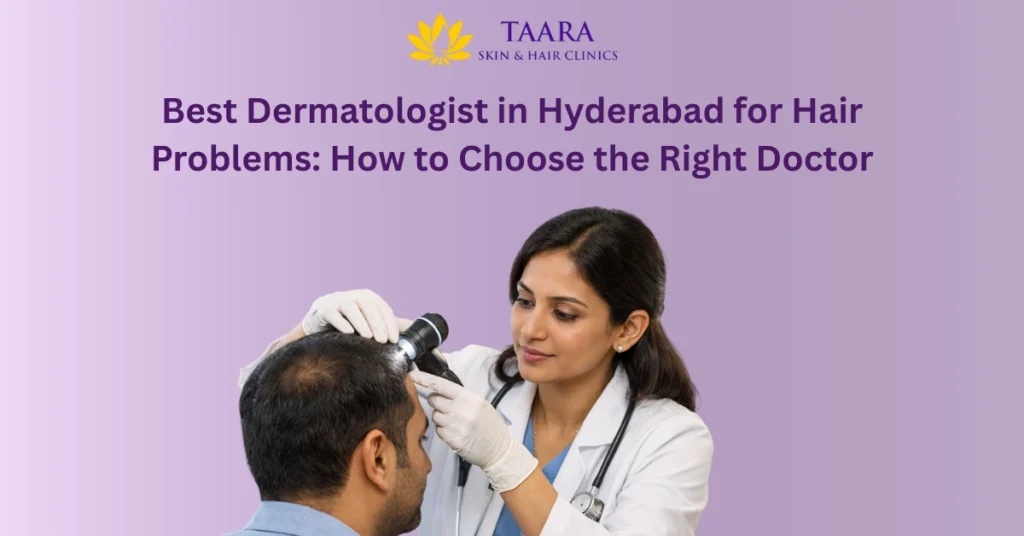
Many people don’t search for the “best dermatologist in Hyderabad for hair” casually. Usually not out of curiosity, but because you’ve quietly noticed a change for several weeks and months: a small amount of hair falls out, but now the pillow has a lot of hair; the shower drain is filled with hair; you look in the mirror and see your hairline or the back of your head doesn’t seem to look right. At first, you may try to find a reason for your hair loss. After several weeks or months like this, daily life now revolves around worrying about your hair loss. You put more time into styling your hair. You have begun to lose your self-confidence due to your hair loss. What you are looking for is not another tip from a friend or another video on the internet. You’re confused and looking for answers about whether your experience is typical of many people with hair loss, whether it could be an indication of something potentially troubling. When these questions grow louder, people search for the “best dermatologist in Hyderabad for hair.” It’s a quiet call for expert guidance. This article will help you decide when to take the right step and how to choose the right hair specialist. Hair Problems Often Go Unnoticed Thinning hair or shedding hair usually isn’t something that happens immediately. Instead there is usually a gradual or repeated period of time (perhaps weeks or months), leading to many little hair loss occurrences (often no one notices them at first or mistakenly thinks that the reason for this hair shedding or loss is because of their age, stress, or the quality of the water they use). Since hair grows in cycles, if these cycles are disrupted (i.e., by stress or using aggressive chemical irritants), you may have additional hair loss and difficulty regrowing your hair back. If you are experiencing any of these types of problems then it is recommended that you seek professional assistance from a hair care professional before you have further complications with your hair care needs. The Waiting Phase and Its Risks Before visiting a dermatologist, most people try: Changing shampoos frequently Using oils or home remedies Following random online tips Ignoring it during busy days These steps are not harmful individually, but they often delay diagnosis. By the time someone searches for the “best dermatologist in Hyderabad for hair,” hair thinning may already be more advanced than it seems. Signs Of Healthy Hair Beyond Appearance Hair serves as an indicator for several things aside from being just cosmetic, such as the amount of: Hormones Nutrients Stress/sleep quality Scalp infections or inflammation Genetic predisposition Two people may have similar hair fall but completely different underlying causes. Treating the hair so rarely addresses the root problem. Self-Check: Is It Time to See a Dermatologist? Consider the consulting a hair specialist if you notice: Hair fall lasting more than 8–10 weeks Noticeable reduction in hair volume Scalp visibility under normal light Hair feels thinner even after washing Family history of hair loss Scalp itching and dandruff and also irritation These signs indicate that the hair cycle is affected, and professional evaluation is the next responsible step. What a Hair Specialist Evaluates That You Can’t A good dermatologist examines: Scalp condition Hair density and thickness Pattern of hair loss Medical history Lifestyle factors This helps answer critical questions: Is hair fall temporary or progressive? Is regrowth possible? Which treatments should start first? Without this assessment, treatment is often guesswork. Why Online Advice Can Confuse More Than Help Online content mixes many hair problems together. One video suggests oils, another supplements, and another PRP. But hair loss is not universal. Stress-related hair fall may need lifestyle changes. Hormonal hair loss may require medical treatment. Scalp inflammation may need some medication. Trying everything at once which leads to disappointment. A dermatologist filters the noise and provides clear guidance. Hair Treatment Is a Journey, Not a Quick Fix Hair treatments don’t work like painkillers. They progress in stages: Phase 1 Reducing the excessive hair fall, and which helps for improving scalp health Phase 2 Strengthening hair and supporting regrowth. Gradual results are just normal. Dermatologists guide patients through the timeline to ensure the expectations stay realistic. PRP and Advanced Treatments Need Expert Oversight PRP is popular but not cosmetic. Proper care requires: Correct patient selection Proper preparation Planned sessions Integration with medical treatment Without any guidance, results may be normal. A dermatologist decides if, when, and how these treatments should be used. Choosing the Right Dermatologist Matters More Than Treatment Instead of asking “Which treatment is best and better?” consider: “Who is guiding my treatment?” A good dermatologist: Explains clearly Sets honest expectations Avoids unnecessary procedures Focuses on long-term hair health Doctors promising instant regrowth are often misleading. What Patients Say After Consulting the Right Doctor Patients often report: “I finally understood my hair problem.” “I wish I had come earlier.” “The plan made sense.” Understanding alone reduces anxiety and builds confidence. The Best Time to Seek Help Is Early Hair loss is easier to slow than to reverse. Once follicles become inactive, options are limited. Searching for the “best dermatologist in Hyderabad for hair” is a responsible step, not a sign of panic. Common Myths About Hair Loss A great number of folks believe that hair loss is only caused by stress, shampoo, or age. The above myths lead people to wait too long before taking action against their hair loss problem. Some examples of popular myths include: “Brushing increases hair loss.” “Hair products are the primary cause of hair loss.” “Lost hair can not regrow.” See a dermatologist to clarify facts from fiction. Knowledge of the real reason for your hair loss will save time and resources and aid you in concentrating on proven effective solutions for your hair. Typical Lifestyle Differences That Help Promote Healthy Hair Although medical treatment is important, the use of daily habits can be complementary to the overall
How to Know What Problem You Really Have and Explore Hair Thinning Treatment
Hair thinning does not start suddenly. Most people do not notice it on the first day or even the first month. At first, hair only feels different. It does not look the same in photos and does not feel thick while tying or styling. This is the stage where early hair thinning treatment can make a big difference. Under bright light, the scalp looks more visible and people usually ignore these signs. It’s their belief that it will resolve itself as time goes by. That is how hair thinning slowly increases without being noticed. At this stage, many people still wait. They try to change shampoo or oil, hoping it will fix everything. But hair thinning is often linked to stress, nutrition, hormones, or lifestyle habits. If the root cause is not understood, the thinning may continue. Early action is always easier than late correction. When treatment begins in the early stage, hair roots are still active. With the right care, proper guidance, and simple lifestyle changes, it is possible to slow down thinning and improve hair strength. Ignoring the early signals only makes recovery harder. Listening to your hair at the right time can protect both your confidence and your long-term hair health. Difference Between Thinning and Hair Loss Many people believe that thinning and falling are the same issues to health. They are not. Hair fall means hair shedding. Hair thinning means loss of volume. In thinning: Hair strands become thin Hair looks flat Density reduces slowly Scalp becomes visible Some people say, “I don’t have much hair fall, but my hair is less.” That usually means thinning. This difference is important before starting any hair thinning treatment. Why Hair Thinning Does Not Feel Serious at First Hair thinning does not cause pain and there is no itching in many cases and no redness or burning. Because of this, people do not feel worried in the beginning. Another reason is slow change. People compare their hair with last month, not last year. Monthly change feels small and yearly change shows the real loss. By the time people feel concerned, thinning has already progressed. How Hair Growth Normally Works Hair does not grow every day. It follows a cycle: Growth phase Rest phase Shedding phase At any time, some hair falls and some hair grows. This balance keeps hair full. When growth becomes weak and shedding continues, hair starts thinning. Hair thinning treatment tries to correct this balance. Why People Cannot Identify the Real Problem Hair thinning rarely has one single cause. People keep guessing: Stress Food Shampoo Weather Genetics They try many things together. Oils. Serums. Supplements. Home remedies and nothing feels clear and this creates confusion and frustration. Without knowing the real cause, treatment becomes random. Genetic Hair Thinning Does Not Mean Immediate Baldness Genetic thinning does not always lead to baldness. It usually appears as: Slow reduction in density Finer hair Shorter hair length Hair still grows, but it grows weak. If identified early, this type of thinning can be controlled with proper hair thinning treatment. Stress Affects Hair More Than People Realise Stress does not cause instant hair loss. It works slowly. During long stress: Hair enters rest phase early Growth slows Hair sheds later Many people notice thinning months after stress, not during it. This delay makes it confusing. Once stress reduces, hair can recover with proper support. Diet and Hair Strength Are Connected Many people eat daily and still have hair thinning. The problem is not always quantity but quality and absorption. Common issues include: Low protein Iron imbalance Vitamin deficiencies Hair follicles need nutrition regularly. When supply reduces slowly, hair becomes weak slowly and doctors usually check this before suggesting supplements. The Health of the Scalp Is Frequently Overlooked The hair grows from the scalp and not from oils or shampoo. If the scalp is: Inflamed Too oily Too dry Hair roots become weak and many people only care about hair strands and if they ignore scalp issues until they become severe. Scalp correction is a basic step in hair thinning treatment. Why Online Advice Creates More Confusion Online tips mix all hair problems together. Advice for dandruff is used for thinning.Growth serums are used on irritated scalp. Heavy oils are used on oily scalp. Some people see short relief. Then the problem returns. Without proper evaluation, advice does more harm than good. What Doctors Check During Hair Evaluation Doctors do not only count fallen hair. They check: Hair thickness Density Scalp condition Pattern of thinning Family history This helps them understand whether the issue is thinning, shedding, or both. Treatment depends on this understanding. Why One Treatment Does Not Work for Everyone Hair thinning looks similar to many people. But the cause can be different. One person may need scalp care. Another may need nutrition support. Another may need growth support. This is why copying someone else’s routine rarely works. What Hair Thinning Treatment Really Focuses On Hair thinning treatment does not promise fast volume. It focuses on: Reducing ongoing thinning Strengthening existing hair Supporting healthy regrowth The first improvement is usually better hair strength, not instant thickness. Why Early Action Matters Hair roots respond better in early stages. Early treatment: Preserves existing hair Gives better results Reduces future damage Waiting makes recovery slower. Why Results Take Time Hair grows slowly and thinning also happens slowly and you can see improvement is seen over months, not weeks. Doctors look for: Reduced weakness Better texture Improved density Patience is important. Some Hair Thinning Needs Long-Term Care Certain thinning patterns need regular support. Stopping treatment suddenly can reverse progress. Maintenance does not mean strong treatment. It means consistency. Hair Thinning Affects Confidence Many people do not talk about this. They avoid photos. They change hairstyles. They feel older than their age. Understanding this emotional side helps people stay committed to treatment. Knowing Your Real Problem Makes Treatment Easier Once people understand their hair problem: They stop guessing Stop changing products They follow
Female Hair Loss Treatment: Doctor Recommended Causes and Solutions
Hair fall is not just a hair problem. For many women, it feels emotional. You wake up and comb your hair, and there you see more strands than usual. At first, you try to ignore it, hoping female hair loss treatment won’t be needed yet. You tell yourself it will stop soon. But weeks pass, and the hair fall continues. Slowly, your ponytail feels thinner. The mirror feels different. Many women go through this silently. I have seen friends panic and lose confidence because of hair loss. The truth is, female hair loss is very common. The good news is that with the right female hair loss treatment, hair doctors can help control and improve the condition over time. Why Hair Loss Is Becoming More Common in Women Hair loss in women is increasing every year. It is not just because of age. Nowadays, the modern lifestyle plays a big role. Women today handle many responsibilities at once. This pressure affects both body and mind. Daily Factors That Slowly Damage Hair Hair doctors often say hair loss does not start suddenly. It builds up slowly. Busy schedules and also constant stress Skipping meals Lack of sleep for long periods Ignoring early signs of hair thinning Hormonal Changes and Female Hair Loss Hormones control many functions in a woman’s body. Hair growth is one of them. Even small hormonal changes can affect the hair cycle. Life Stages Where Hormones Affect Hair Doctors often notice hair loss during these phases: After pregnancy and childbirth During irregular menstrual cycles PCOS and thyroid Problems Hormone changes due to age Missing Nutrients and Thin hair growth Hair is made up of protein and with proper nutrients. When your body does not get proper nutrients, hair growth becomes slow. Many women think hair loss is just caused by outside factors, but the real problem will start inside the body. Common Nutrient Gaps Seen by Doctors Hair specialists usually check these levels: Low iron causing hair thinning Poor protein intake Low Vitamin D deficiency vitamin B12 levels Stress and Emotional Health Impact on Hair Stress is invisible, but it affects real life. When stress stays for a long time, it pushes hair into the shedding phase. How Stress Triggers Hair Fall Hair doctors explain stress-related hair loss like this: Stress disturbs hair growth cycle More hair enters resting phase Hair shedding increases suddenly Regrowth becomes slow Lifestyle Habits That Increase your Hair Loss Small habits may not seem harmful. But over time, they weaken hair roots. Many women unknowingly damage their hair daily. Everyday Lifestyle Mistakes That Affect Female Hair Loss Treatment Doctors often point out these habits: Sleeping late regularly Drinking less water No physical activity Constant screen exposure Hair Care Mistakes Women usually Ignore Hair care is not just about shampoo and oil. Wrong methods can increase hair fall instead of reducing it. Common Hair Care Errors Hair doctors warn women about: Tying hair too tight Using heat tools often Washing hair with harsh water Changing products too frequently Medical Conditions relate to Female Hair Loss Sometimes hair loss is a sign of a deeper issue. Treating hair alone will not help you unless the root cause is addressed. Health Problems Doctors Check First Doctors may suggest tests for: Thyroid disorders PCOS-related imbalance Autoimmune conditions Long-term illness Genetic Hair Loss in Women Some women experience hair thinning because of family history. This type of hair loss happens slowly and needs early care. How Genetics Affect Female Hair Doctors notice these signs: Wider hair parting Thinning at the crown Slow regrowth Family history of hair loss When to See a Hair Doctor for Female Hair Loss Treatment Many women try more home remedies for months before seeing a doctor. This will really delay that and can worsen the problem. Signs You Need Professional Female Hair Loss Treatment Hair doctors suggest consultation if: Hair fall lasts more than 3 months Visible scalp areas appear Sudden heavy shedding occurs Home remedies show no result Doctor Recommended Treatments for Female Hair Loss Doctors choose female hair loss treatment based on the cause, age, and health condition. Common Doctor-Recommended Treatments Most treatment plans will include these: Includes Proper Nutritional supplements Medicated hair solutions Scalp treatment therapies Diet and lifestyle correction Role of Diet in Female Hair Loss Treatment Food plays a major role in hair recovery. But without proper nutrition, even medical treatments may not work well for your problem. Foods That Support Hair Growth Doctors usually recommend: Proper Protein-rich foods Leafy vegetables Dry fruits and seeds Fruits with vitamins Scalp Care and Its Importance Healthy hair grows from a healthy scalp. Many women focus only on hair length and ignore scalp health. How Doctors Improve Scalp Health Scalp care includes: Proper cleansing routine Treating dandruff early Improving blood circulation Avoiding product buildup Can Natural Remedies Help Hair Loss? Natural remedies can support treatment but may not be enough alone. Doctors see them as supportive care. Safe Natural Practices Doctors usually allow: Gentle oil massage Mild herbal masks Stress reduction techniques Consistent hair routine How Long Does Female Hair Loss Treatment Take? Hair growth is slow. Many women expect fast results and feel disappointed. Patience is key. What Doctors Tell About Results Hair recovery timeline: Hair fall reduces in 2-3 months New hair growth starts slowly Thickness improves over time Consistency gives best results Emotional Side of Hair Loss in Women Hair loss affects confidence. Many women feel embarrassed or anxious, even if they do not say it aloud. Mental Health Matters Too Doctors encourage: Talking about hair concerns Avoiding self-blame Staying patient with treatment Seeking emotional support Common Myths About Female Hair Loss Treatment Many myths confuse women and delay treatment. Believing wrong advice can worsen hair loss. Common Hair Loss Myths Hair doctors clear these myths: Oil alone can stop hair loss Cutting hair increases growth Hair loss is always permanent Only aging causes hair fall How to Prevent Hair Loss from Getting Worse Prevention is