Acne Scars Treatment in Hyderabad: Which Option Is Right for You
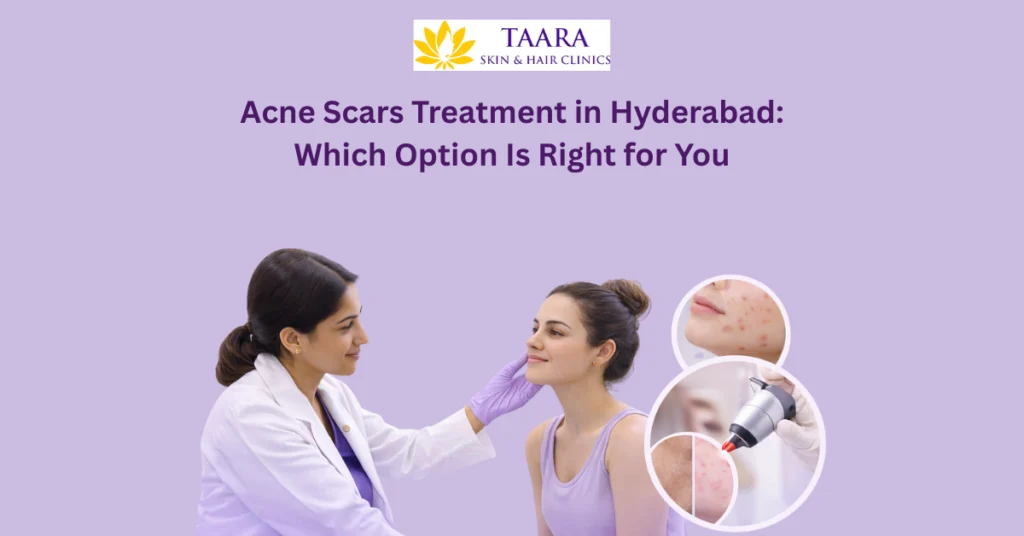
Pimples show up often in people’s lives. During their teens, many face spots. Even after growing up, some still deal with them. Healing from acne often takes its time. Yet acne scars might linger just as long. Their mark alters skin appearance along with sensation. That is why acne scar treatment in Hyderabad matters so much now. Fading fast, acne scars resist change well. Not many shifts with creams or usual household fixes. Serious treatment fits better for deep types. Medical help works far beyond typical routines. Pick a suitable option – your skin might grow softer over time. That shift often carries more belief in oneself. Start by learning what acne scars are, not the fix, but the foundation. Knowing begins long before any procedure. What Are Acne Scars When zits hit hard, they leave marks beneath the surface. Healing rolls in, yet the skin doesn’t fix itself right, uneven recovery takes hold. Because of this, scars appear. How acne turns into scars Acne causes inflammation inside the skin Skin tissue gets damaged during severe pimples Skin produces too much or too little collagen Uneven healing creates scars Difference between marks and scars Acne marks Flat dark spots Everything slips away bit by bit when hours stack up Keep skin texture unchanged Acne scars Permanent skin damage Create pits or uneven skin Need urgent medical care Some think deep acne is the only one that leads to scars. Yet tiny spots might also result in marks. When you squeeze or scrape a pimple, damage grows faster. Scars grow larger when treatment waits too long. Getting help sooner clearly improves outcomes. That truth stays steady. Types of Acne Scars One scar might look another way entirely. That means one kind takes distinct methods to handle. Treatment changes based on how each appears. Ice Pick Scars Small but very deep scars Look like tiny holes Mostly seen on cheeks Creams do not work well Boxcar Scars Deep cuts that spread in jagged lines Make skin look uneven Common after inflamed acne Improve using proper procedures Rolling Scars Create a wavy skin surface Skin looks loose and uneven Caused by tight bands under skin Respond well to advanced treatments Post acne dark spots Dark spots left when acne goes away These marks tell a different story Fade slowly with care Easier to treat than deep scars Figuring out what kind of scar someone has made it easier for doctors to pick the right fix. That’s why checking the skin carefully really matters. Why Acne Scars Treatment Is Important Scars from acne touch more than just the face – they shake self-assurance too. Feeling uneasy about looks isn’t rare. A few skip gatherings or having pictures taken. On scarred skin, makeup often spreads unevenly. Problems caused by untreated acne scars Low self-confidence Uneven skin texture A dull, uneven skin finish Scars becoming deeper with time That is why picking the correct acne scars treatment in Hyderabad truly changes things. With skilled help, your skin looks better while staying safe. Starting sooner leads to quicker and more satisfying outcomes. Modern Options for Acne Scars Treatment Right now, solid options exist to tackle acne scars. Every method tackles problems its own way. Since no two scars are alike, treatment depends on how deep the mark is, what kind it is, and the patient’s skin condition. Because of this, getting rid of acne scars in Hyderabad means planning things just right for everyone involved. Here are the usual ways to handle conditions, laid out without fuss. Chemical Peels A chemical peel removes the outer damaged skin pieces. Fresh, healthy skin then begins to replace what was there. How chemical peels help Peel off dead skin cells. Improve skin tone Light scars fade a bit. Dark marks turn lighter too Make skin smoother Who should choose chemical peels People with mild acne scars People with dark marks after acne People with uneven skin tone Few peels do the trick. Slow progress shows up over days. A flicker of pink can pop up now then. Still, in India’s climate, pros make chemical peels safe through smart moves. Laser Treatment Light power helps fix broken skin through laser methods. Unlike lotions or shallow scrubs, this approach digs further beneath the surface. Benefits of laser treatment Improves skin texture Boosts collagen creation Reduces deep acne scars Makes skin firmer Important points Best for boxcar and rolling scars Needs proper sun care after treatment Results appear gradually Laser therapy stands out as one of the go-to options for tackling acne scars in Hyderabad – it delivers clear outcomes, provided the procedure meets standards. Microneedling Treatment Tiny needles make holes in the skin, starting repair work inside. Healing begins when cells respond to those small wounds. How microneedling works Boosts collagen creation Fixes broken skin tissue Smooth out rough patches where finish is uneven Scars show up less clearly Best suited for Rolling scars Mild to moderate acne scars People looking for gradual improvement Even though microneedling works well, it can also be gentle on skin. Most people find their skin improves after more than one treatment. A light pink tint usually vanishes within forty-eight hours. Subcision Sometimes a procedure called subcision helps loosen thick, stubborn scars by freeing up compressed skin layers. This allows pulled-down areas to move more freely. Why subcision helps Breaks up stiff scar tissue Scars look lighter when lifts happen Smoothers the skin texture over time Best for Deep rolling scars Scars that won’t get better with lotions. Sometimes doctors use subcision alongside additional therapies to achieve improved outcomes. PRP Therapy What’s called PRP actually comes from your body – it’s platelets grown rich in plasma. Your doctor takes a small blood sample, then extracts what heals tissues naturally inside it. This liquid medicine helps skin repair itself without outside help. How PRP improves skin Uses natural growth factors Fixes broken skin tissue Boosts collagen without help from chemicals Improves overall skin quality Healing can be
Chemical Peel Treatment in Hyderabad: Is It Safe for Indian Skin
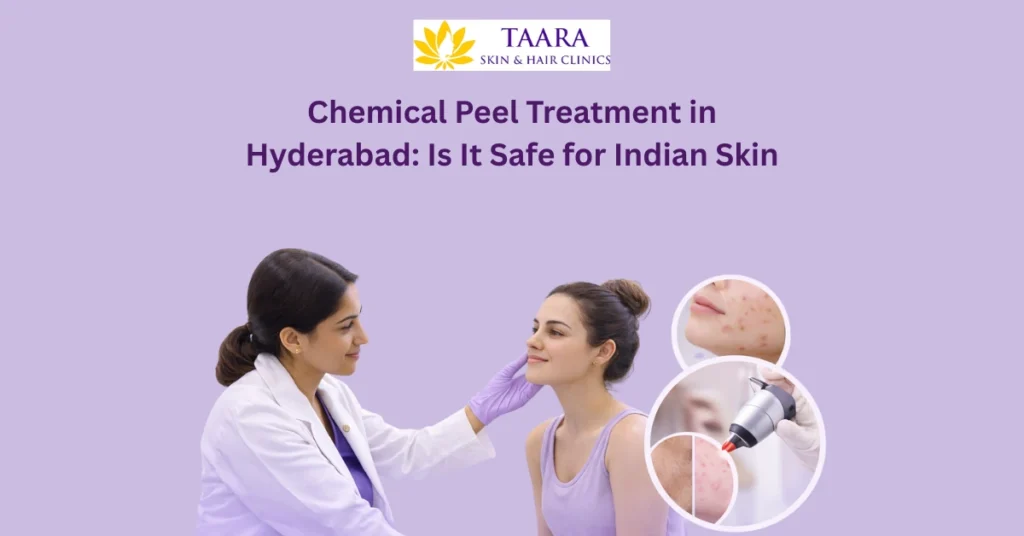
A tan, dark spots, pimples left behind, or lackluster skin, these pop up often in daily life. Instead of sticking to store-bought gels or kitchen fixes, some turn toward skilled experts. Often, those quick fixes fall short. That gap pushes individuals toward trained therapy options instead. Some folks try out chemical peels, yet here’s a common worry. Can these work well on the skin found in India? That worry makes sense, since skin here tends to respond in its own way, unlike skin that darkens less. A fresh look at skin renewal, that is what this post dives into. Instead of complex jargon, it breaks down how chemical peels work step by step. Clear details rise up where confusion once lived. Your mind clears like after a gentle treatment, when learning about risks gets easier too. Whether a peel fits your path becomes visible through straightforward insights. In the city of Hyderabad, knowing what to expect makes the choice feel less unknown. What Is a Chemical Peel Treatment Skin gets a chemical bath when peeling happens under doctor’s care. A certain mix takes away old skin bits stuck to the outer layer. Fresh tissue rises up after that removal takes place. So, when you add it all up, that’s what happens: Skin shows a slight glow now A shift happens across the skin, making tones appear more uniform Marks fade while tan lightens Healthy skin stays protected because chemical peels work as intended. Done well, they avoid harm. How Chemical Peels Work on the Skin Fragments of old skin cells dissolve quietly in the chemical bath. Without strong bonds holding them, those pieces drift apart slowly. After two or three days, they peel free without trouble. Meanwhile, fresh cells rise beneath, speeding up their climb. Because of this process: Skin texture improves Pores appear cleaner Fading of pigmentation happens at a slow pace Your skin’s natural texture plus whatever issues it faces decide how strong the peel works. Skin Problems That Chemical Peels Can Treat Chemical peels tackle plenty of everyday skin issues. They serve a range of purposes Skin darkens after outdoor exposure Pigmentation Acne and acne marks Uneven skin tone Dull and tired-looking skin Pick a peel that fits your skin type, doctors decide which one works best. Why Indian Skin Needs Special Care Melanin sits deeper in Indian skin than average. Sun exposure meets resistance here, thanks to that same pigment. Yet dark spots form faster under its weight. Protection comes at a cost – sensitivity rises with tone. Because of this: Faster pigmentation builds up in South Asian complexions Harsh methods trigger intense skin reactions Failing to match treatment with melanosis often makes pigmentation worse. So, picking the right chemical peel isn’t straightforward when it comes to Indian skin types. How Indian Skin Reacts to Chemical Peels If a chemical peel fits the skin right, results can be good. Things go wrong though. Peel strength comes out higher than expected Treatment happens even when there is no assessment Nobody talks about aftercare, it just disappears. Because of these reasons, having a dermatologist involved makes sense. Is Chemical Peel Treatment Safe for Indian Skin Chemical peels work well on Indian skin, provided a trained dermatologist applies them. Peels with light to moderate strength often match skin color here. Selection happens carefully, always keeping skin type in view. Safety relies on: Skin type Skin issue peel type found Proper aftercare With proper expertise, Chemical Peel Treatment in Hyderabad works well and has minimal risks. When Chemical Peels Are Safe Chemical peels are safe if: Start by checking the skin Correct peel strength is used Sun protection comes first Timing of sessions works well Looking back at past health issues helps doctors understand what might affect care. Sometimes those details shape how they move forward. Who Should Avoid Chemical Peels Some people might find chemical peels too fitting. Not each person reacts well to them. Peels aren’t right for everyone. They can cause problems when certain conditions are present. You have active skin infection You have open wounds You are pregnant (in some cases) You recently used strong skin medicines Your skin treatment follows guidance set by a doctor who watches over safety rules. Possible Side Effects If Done Incorrectly A wrong peel can bring unwanted changes. Not always pretty when things go off track. This includes: Redness Burning sensation Dark patches Skin sensitivity Sometimes things go wrong when staff aren’t properly trained especially with chemical peels done at home. Types of Chemical Peels Used in Clinics Some skin clinics choose various kinds of chemical peels. Each one serves a distinct role. Mild Chemical Peels A light peel touches only the skin’s outer layer. Gentle ones stay calm and do-little harm. They make things easier by doing things like: Mild tan Light skin shows less pigment Dull skin Most peels require almost no recovery time at all. Medium Chemical Peels A bit below the surface, medium peels sink further into the skin. Their impact shows up more clearly. Results feel deeper. They make things easier by doing things like: Moderate pigmentation Acne marks Uneven tone Short downtime recovers most peels just fine. Deep Chemical Peels Down below the surface, deep peels target thicker layers of skin. These treatments hardly show up with patients from India. Their role stays limited across most medical visits here. Used now and then, only when needed, with close supervision. Which Peel Is Best for Indian Skin For Indian skin, dermatologists often choose: Mild peels Medium peels Sometimes they skip intense peels when not needed. Because of this, chemical peels in Hyderabad work better for people with darker skin. Safety comes through careful choices here. Chemical Peel Treatment Process Knowing how it works makes things feel less scary, simpler. Skin Assessment Before the Peel Before seeing the doctor, the patient had already been told what to expect. Examines your skin Identifies skin problems Chooses suitable peel Before peeling, some creams might be applied just